
"flavor terminology"
200 article(s) found

Coffee roasting terminology: caramelization tester (Agtron)
Coffee terminology: caramelization tester this is the baking degree index used in the United States. The baking degree ranges from the shallowest 100 to the deepest 25, which is expressed by the value that the baking degree is about Agtron 50. The determination is based on a special colorimeter called Agtron M-Basic. Baking degree digital range color group value very shallow baking 100-95 Tile#95 shallow baking 90-85 Tile#85
Professional coffee terminology how to understand fine coffee
Coffee terminology: knowing certain coffee terms not only allows you to accurately express your understanding of coffee, but also makes your customers or friends think that you are quite expert in coffee and are a coffee glutton. Flavor [flavor] is the overall impression of aroma, acidity, bitterness, sweetness and mellowness, which can be used to describe the overall feeling of contrast coffee. Acidity [acidity] is all raw.

The terminology of coffee basic knowledge of hand-brewed coffee what is the professional terminology of coffee knowledge popularization
Professional Coffee knowledge Exchange more information about coffee beans Please follow the coffee workshop (Wechat official account cafe_style) the taste of sour coffee produces a different feeling in some parts of the tongue. AEROPRESS is a handmade brewing method developed and released by Ario in 2005. Aeropress is famous for its short extraction time and easy to carry. It combines immersion and overflow extraction.
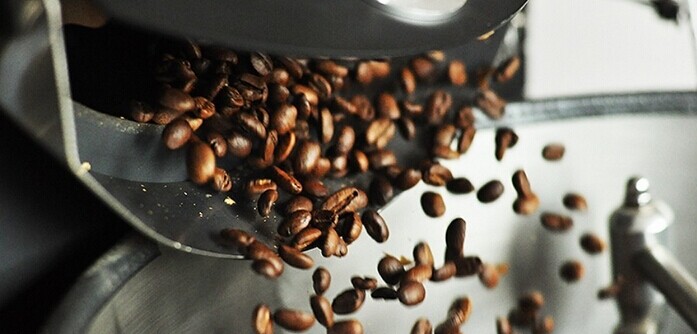
Introduction to coffee: coffee roasting terminology caramelization tester (Agtron)
Introduction: caramelization tester, which is the baking degree index used in the United States. The baking degree ranges from the shallowest 100 to the deepest 25, which is expressed by the value that the baking degree is about Agtron 50. Coffee terminology: caramelization tester this is the baking degree index used in the United States. The baking degree ranges from the shallowest 100 to the deepest 25, and the baking degree is about Agtron 50.

Coffee roasting terminology caramelization tester-caramel macchiato is coffee
Coffee roasting term caramelization tester-Caramel macchiato is the process of roasting coffee, bouncing like popcorn with fragrance and pleasure. From raw beans, light roasting to deep roasting, the water is released again and again, the weight is reduced, but the volume slowly expands and bulges, the color of coffee beans deepens, the fragrant oil is gradually released, and the texture becomes crisp. Raw beans ─ each coffee cherry

Food and gourmet English vocabulary Daquan coffee terminology
Flavor [flavor] Acidity [acidity] Body [alcohol] Aroma [smell] Bitter [bitter] Bland [light] Briny [salty] Earthy [earthy aroma] Exotic [unique] Mellow [aromatic alcohol] Mild [mild] Soft [acidity] Spicy [spice] Strong [strong] Sweet [sweet] Wil

Gourmet Food English Vocabulary: coffee terminology
Flavor [flavor] Acidity [acidity] Body [alcohol] Aroma [smell] Bitter [bitter] Bland [light] Briny [salty] Earthy [earthy aroma] Exotic [unique] Mellow [aromatic alcohol] Mild [mild] Soft [acidity] Spicy [spice] Strong [strong] Sweet [sweet] Wil

Gourmet Food English Vocabulary: coffee terminology
Flavor [flavor] Acidity [acidity] Body [alcohol] Aroma [smell] Bitter [bitter] Bland [light] Briny [salty] Earthy [earthy aroma] Exotic [unique] Mellow [aromatic alcohol] Mild [mild] Soft [acidity] Spicy [spice] Strong [strong] Sweet [sweet] Wil

Gourmet Food English Vocabulary: coffee terminology
Flavor [flavor] Acidity [acidity] Body [alcohol] Aroma [smell] Bitter [bitter] Bland [light] Briny [salty] Earthy [earthy aroma] Exotic [unique] Mellow [aromatic alcohol] Mild [mild] Soft [acidity] Spicy [spice] Strong [strong] Sweet [sweet] Wil

Coffee roasting terminology: caramelization tester (Agtron)
Coffee terminology: caramelization tester this is the baking degree index used in the United States. The baking degree ranges from the shallowest 100 to the deepest 25, which is expressed by the value that the baking degree is about Agtron 50. The determination is based on a special colorimeter called Agtron M-Basic. Baking degree digital range color group value very shallow baking 100-95 Tile#95 shallow baking 90-85 Tile#85
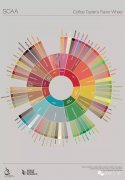
Coffee terminology | how to professionally express the flavor and taste of coffee
Professional baristas please follow the coffee workshop (Wechat official account cafe_style) Flavor [flavor] is the overall impression of aroma, acidity, bitterness, sweetness and mellowness, which can be used to describe the overall feeling of coffee. Acidity [acidity] is the acidity and strong quality of coffee. The acidity referred to here is different from bitterness or acidity (sour) and has nothing to do with pH.

Coffee understanding-Coffee terminology
Knowing certain coffee terms not only allows you to accurately express your understanding of coffee, but also makes your customers or friends feel that you are quite expert at coffee and are a coffee glutton. Flavor [flavor] is the overall impression of aroma, acidity, bitterness, sweetness and mellowness, which can be used to describe the overall feeling of contrast coffee. Acidity [acidity] is all that grow on the plateau.

Coffee terminology Evaluation of special words for coffee
Knowing certain coffee terms not only allows you to accurately express your understanding of coffee, but also makes your customers or friends feel that you are quite expert at coffee and are a coffee glutton. Flavor [flavor] is the overall impression of aroma, acidity, bitterness, sweetness and mellowness, which can be used to describe the overall feeling of contrast coffee. Acidity [acidity] is all that grow on the plateau.

Technical terminology of espresso coffee professional expression of espresso espresso cup
Mastering and proficient in the use of coffee terminology is a skill that every barista must have. Brista Coffee West Point College is here to introduce you to the technical terms of Italian coffee. The word coffee comes from the Greek word Kawen, which means strength and enthusiasm. The name coffee comes from the Arabic word Qahwan, which means plant drink. Later, coffee spread all over the world.
Coffee bean grinding terminology coffee bean grinding terminology
Tannic acid: after extraction, tannin will turn into a yellowish powder, which can easily blend into water. After boiling, it will decompose and produce pyrosylic acid, which will make the coffee taste worse. If the coffee is soaked and left for several hours, the color of the coffee will become stronger than when it was just soaked, and it is not tasty enough, so there is a saying that it is best to finish it as soon as possible. Caffeine: caffeine is one of all the ingredients in coffee
Terminology for coffee cup testing
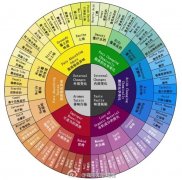
When testing a cup of coffee, we should distinguish whether the flavor, alcohol thickness, acidity and wet aroma of the coffee are pleasant. Most cup tasters use the following criteria to judge coffee.
Terminology for professional coffee cup testing
When testing a cup of coffee, we should distinguish whether the flavor, alcohol thickness, acidity and wet aroma of the coffee are pleasant. Most cup tasters use the following criteria to judge coffee.
Coffee culture coffee tasting terminology
Coffee tasting is a very professional knowledge, there are many terms, too numerous to list. Here we list some of the simplest and most commonly used ones. If you have a chance to read professional books on coffee in the future, I am sure you will use them.
Coffee count is small.-Coffee terminology
Professional coffee knowledge exchange more coffee bean information Please follow the coffee workshop (official Wechat account cafe_style) what coffee lovers often say this time. If you talk about coffee with your younger brother or other more professional coffee enthusiasts, you will inevitably hear things like individual products, fruit acids, and so on. What exactly are you talking about? Declare again, not an expert.
Coffee training knowledge: coffee terminology
We often see some coffee terms in coffee books and coffee training, so what do these terms stand for?